
The miniscule island country of Malta is situated in the Mediterranean between Sicily and North Africa. The town of Mdina is so timeless and enchanting, in fact, it stood in for King’s Landing, and other locations in the HBO series, Game of Thrones.

Like Sicily, Malta was conquered by a succession of civilizations, including the Phoenicians, who arrived first, using Malta as a trading post. The Carthaginians came next, followed by the Romans, who developed Mdina and left behind villas, baths, and early Christian roots — including the traditional belief that St. Paul was shipwrecked here in AD 60.
The Arabs shaped Malta’s language, agriculture, and place names — their influence is still visible in Maltese today. Later, the Normans and other European powers ruled, making Malta part of the Sicilian kingdom for centuries.
But it was the Knights of St. John (1530–1798) who represented Malta’s golden age (possibly suggesting a parallel to the era of the Game of Thrones. Sans dragons, of course). The Knights fortified the islands, built Valletta, and famously defeated the Ottomans in the Great Siege of 1565 — one of Europe’s most dramatic battles. Their legacy lives on in Malta’s art, architecture, and fortifications.
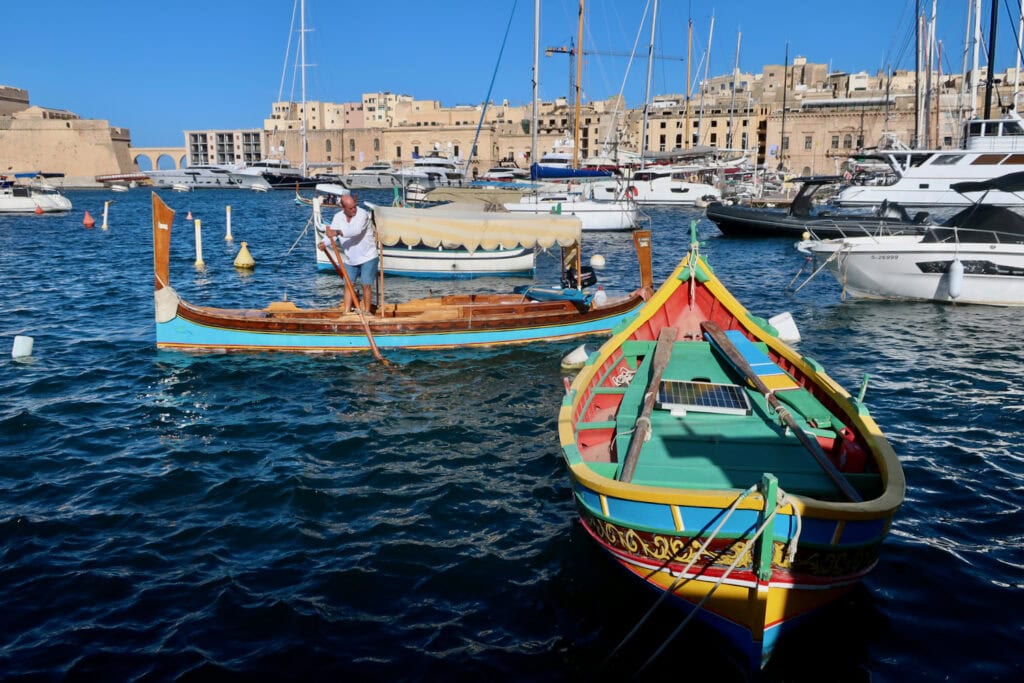
Below, we recommend our favorite places to wander, and must-do activities like swimming in crystal clear water, tasting your way through a remote farm-set boutique winery, descending into a 6,000-year-old subterranean burial site, and reveling in a mega church festooned with gilded carved walls, cooly decorated mosaic floors, and famous Caravaggio paintings. Read on.
For more information, check out Visit Malta.
Best Things to do in Malta
Wander Mdina
The fortified medieval town of Mdina, also named the Silent City, is steeped in history – the latest as the filming location of HBO’s Game Of Thrones.
The ancient walls of Mdina, encircling a labyrinth of narrow, cobblestone streets, are a testament to the island’s strategic past. The bastions offer breathtaking panoramic views of the Maltese countryside and the distant Mediterranean, creating a sense of serenity.
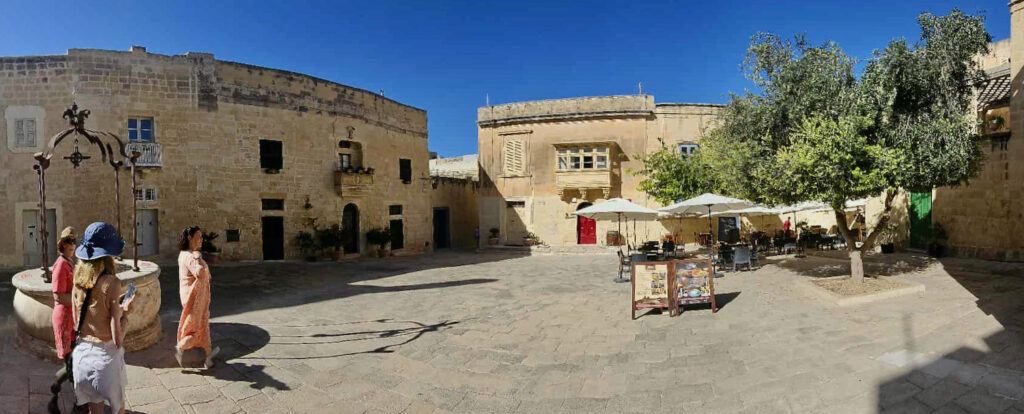
Mdina’s architecture is a fusion of Norman and Baroque influences, with majestic palaces, churches, and medieval buildings preserving the town’s regal ambiance. As the former capital of Malta, Mdina holds a wealth of historical treasures, including the imposing Mdina Cathedral, a masterpiece of Norman architecture adorned with intricate Baroque embellishments.
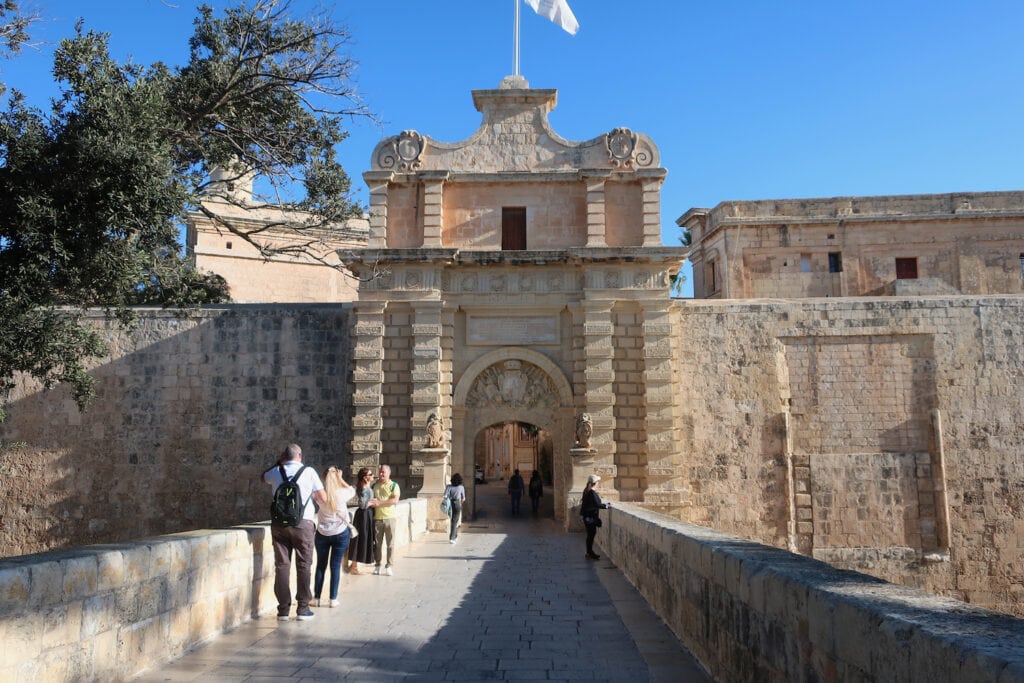
Strolling through these quiet streets is like stepping into a living museum – or a movie set. Without cars, you are fully immersed in Mdina’s timeless aura. By day, Game of Thrones fans swarm here – especially to Mdina’s gate for photos of the fictional King’s Landing.
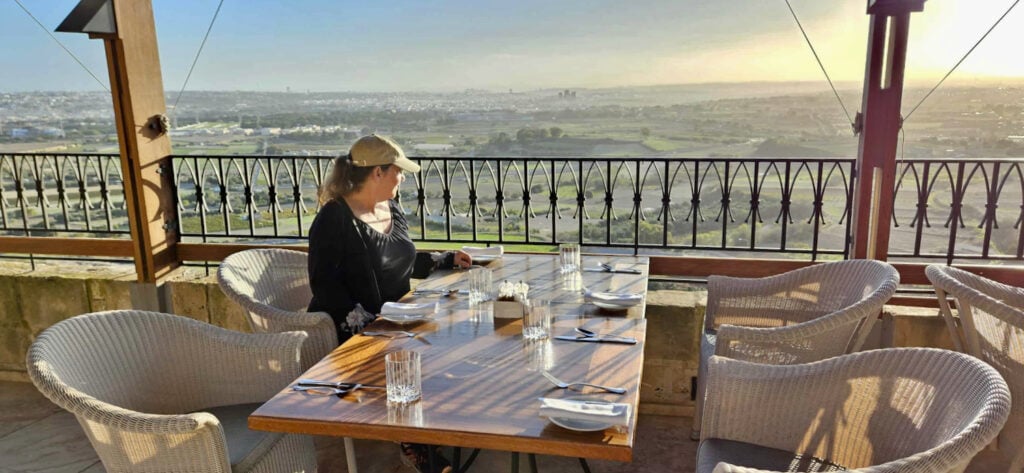
STAY: Xara Palace Relais & Chateaux
If you can swing it, stay in the Relais & Chateaux branded Xara Palace – placing you squarely in Mdina, which turns silent and magical when the crowds disappear at night. After dark, it seems that you have the stone streets all to yourself – and, in effect, you do.
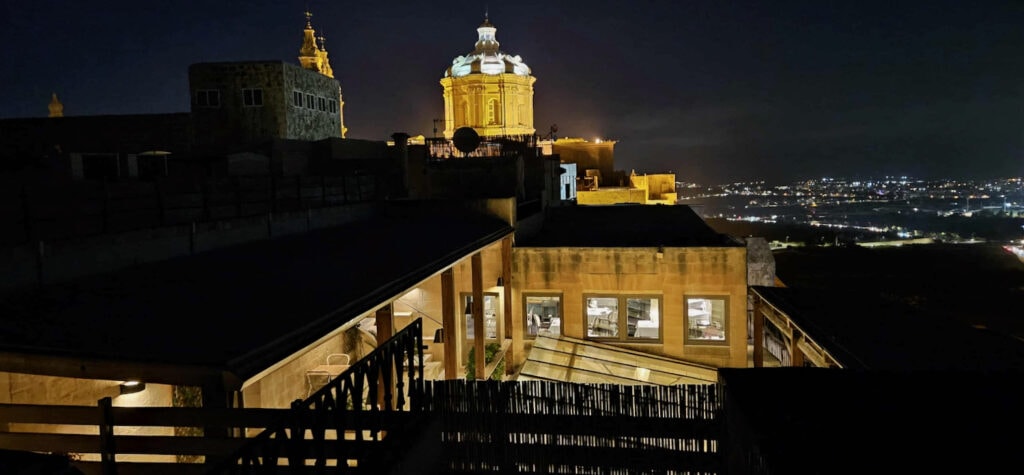
The palatial buildings are actually private homes, and due to regulations, must be passed down through families. So, these enormous domiciles are mostly occupied by one or two couples – or, in one case, a single person- in a complex that takes up an entire block.
Check out Rabat
Rabat, the Arabic for “suburb,” is the undefended area just outside the walls of fortified Mdina where people could be protected in times of trouble. According to tradition, it was here in 60 A.D. that the Apostle St. Paul is said to have lived after being shipwrecked on the islands.
The town, now a series of busy streets filled with restaurants and shops, is home of the St. Paul’s Catacombs, a complex of interconnected, underground Roman cemeteries that were in use up to the 7th, and possibly the 8th centuries AD. These represent the earliest and largest archaeological evidence of Christianity in Malta.
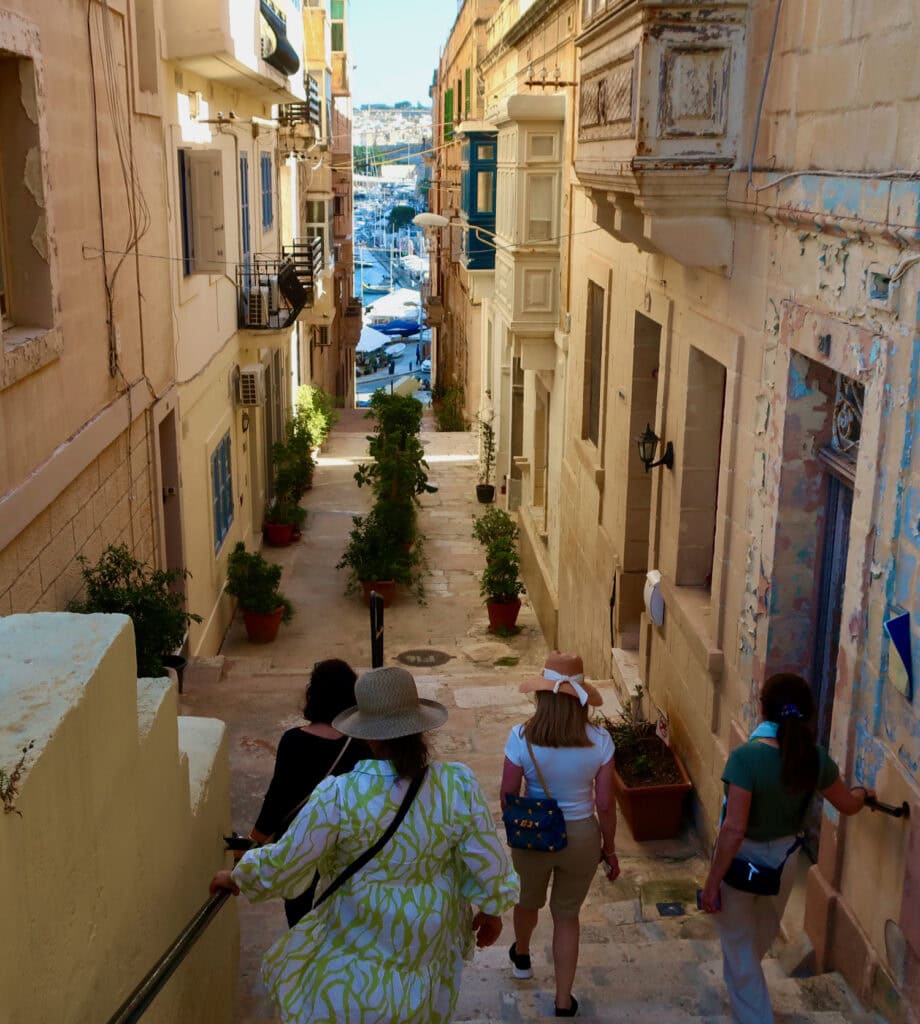
Visit Valletta
The capital of Malta, Valletta, UNESCO World Heritage site, is a harmonious blend of Baroque architecture, vibrant culture, and maritime allure. Valletta’s skyline is dominated by the towering spires and domes of Baroque churches and palaces, indicative of the island’s rich past.
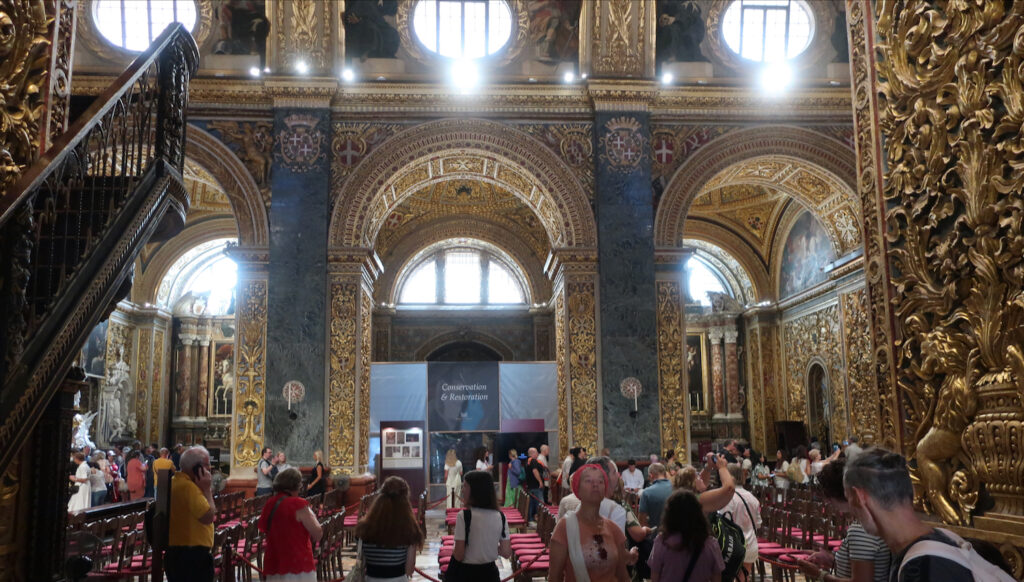
Tour: St. Johns Co-Cathedral
St. John’s Co-Cathedral, an architectural masterpiece adorned with Caravaggio’s masterpieces, stands as a testament to the Knights of St. John’s influence on the city. Built between 1572 and 1577, this was originally the conventual church for the Knights of St. John. It was later given the title of “co-cathedral” to share the seat of the Roman Catholic Archdiocese of Malta with the St. Paul’s Cathedral in Mdina.

The city’s fortifications, including the iconic Grand Harbor, reveal Valletta’s strategic importance throughout the centuries.
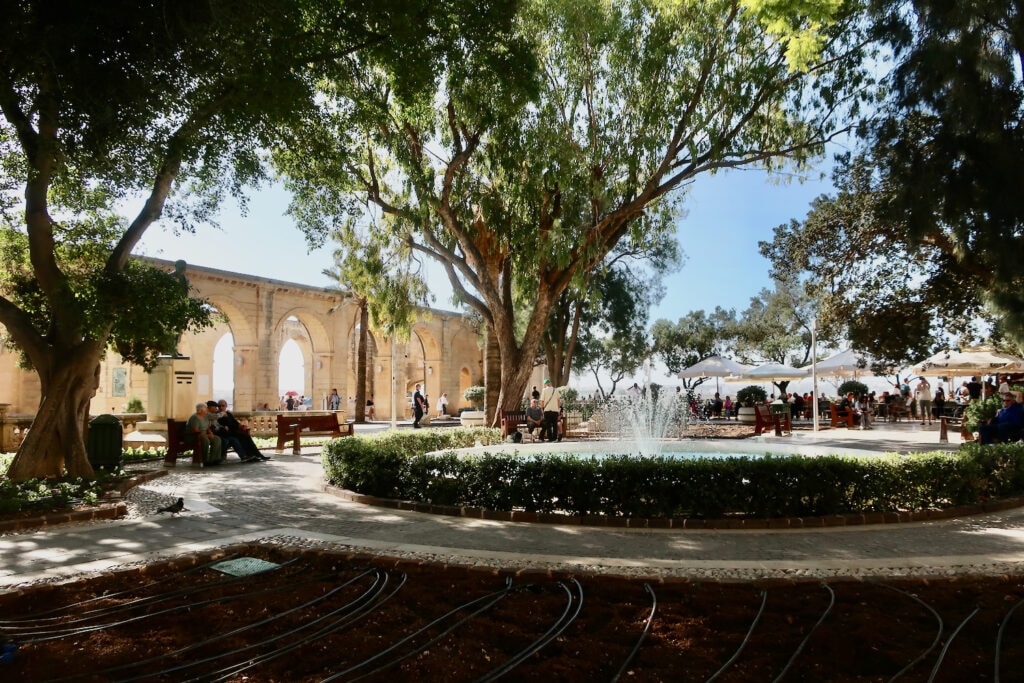
Stroll: Barrakka Gardens
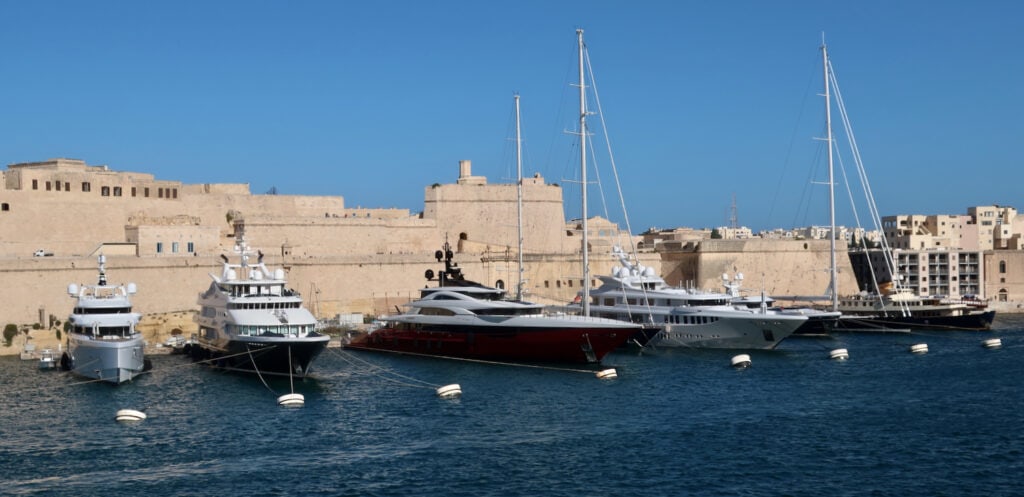
The Upper and Lower Barrakka Gardens offer panoramic views of the harbor – which these days is more likely to host mega yachts and cruise ships than battleships – and of the surrounding cities.
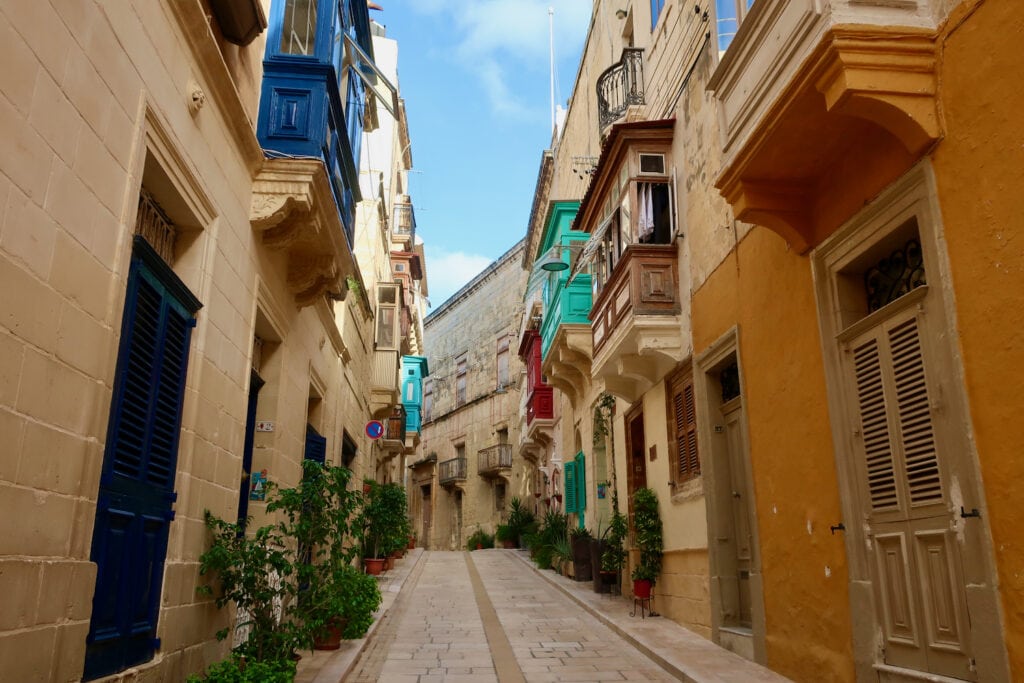
Valletta’s streets, a grid of honey-colored limestone, exude a lively charm. Trendy cafes, boutique shops, and cultural venues line the avenues, creating an inviting atmosphere for both locals and visitors.
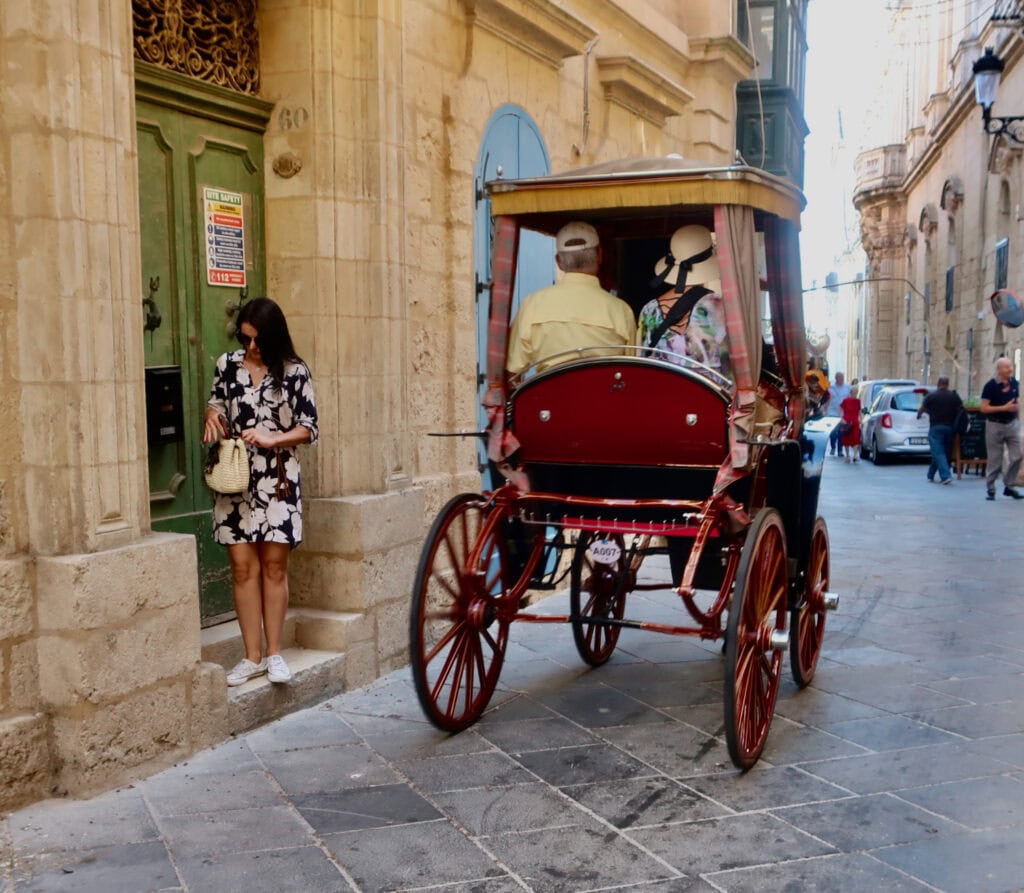
Wander Naxxar
Nestled in the heart of Malta, Naxxar features a charming blend of history and culture. Strolling through its picturesque narrow streets, you’ll encounter stunning architecture that reflects the village’s rich past.
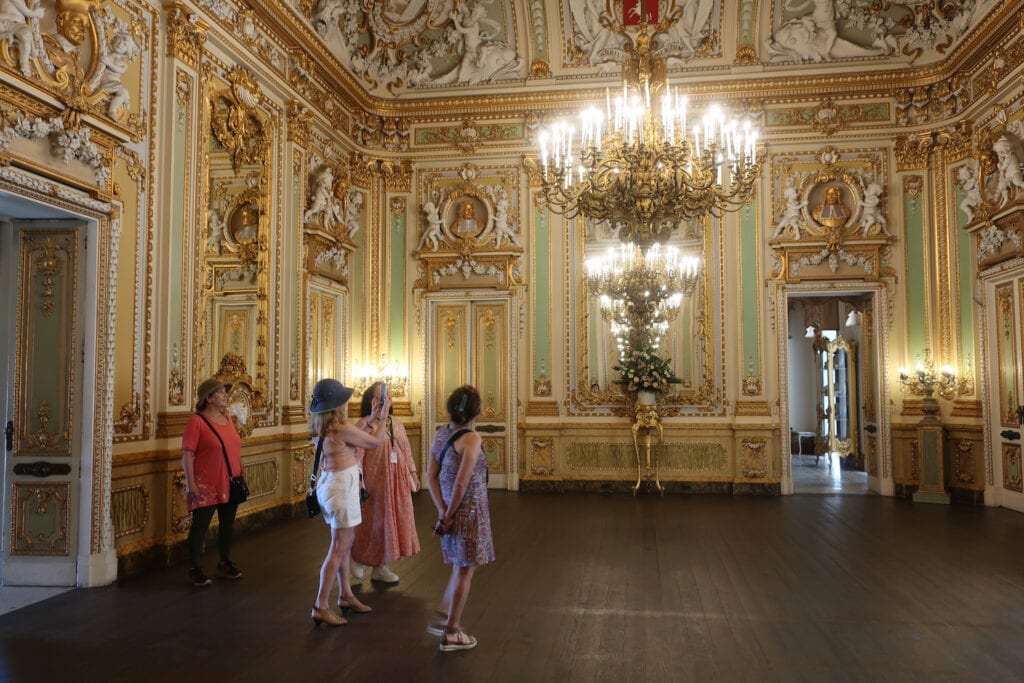
VISIT: Palazzo Parisio
One of Malta’s most spectacular private houses, Palazzo Parisio showcases Naxxar’s 18th century noble heritage, providing a glimpse into the lifestyle of the local aristocracy. Take a gander of its breathtaking interior and manicured Italianate gardens. Just be sure not to miss the grand, gilded ballroom upstairs. The whole place is a popular wedding venue – for very good reason.
More Must Do Experiences in Malta
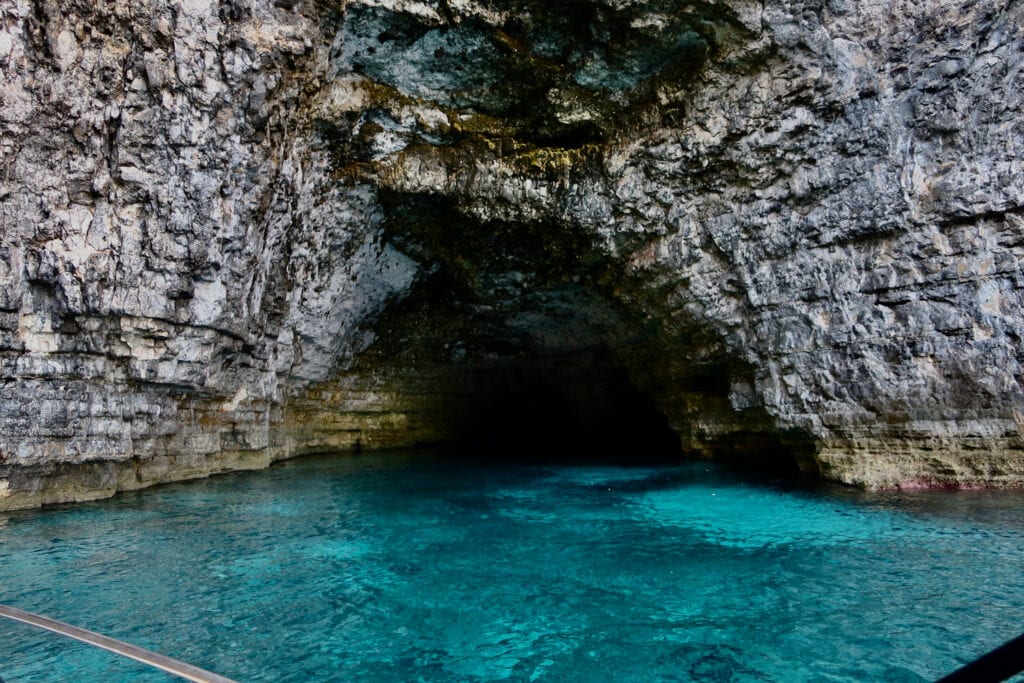
BOAT: Swim in Blue or Crystal Lagoon, Explore Sea-Caves
The waters off Malta are so crystal blue, they look AI enhanced. For his reason alone – it behooves you to experience a private, small boat excursion with a Captain who knows how to avoid the overcrowded Blue Lagoon, and take you to the less swarmed Crystal Lagoon. And, that’s for starters.

Sure, you can jump on a large tourist boat, or drive to the edge of the Blue Lagoon – both packed with hordes of strangers. But hire a smaller (22-24 ft) boat, and you can let your Captain know where you’d like to go, to hang out, to just chill for a few hours.
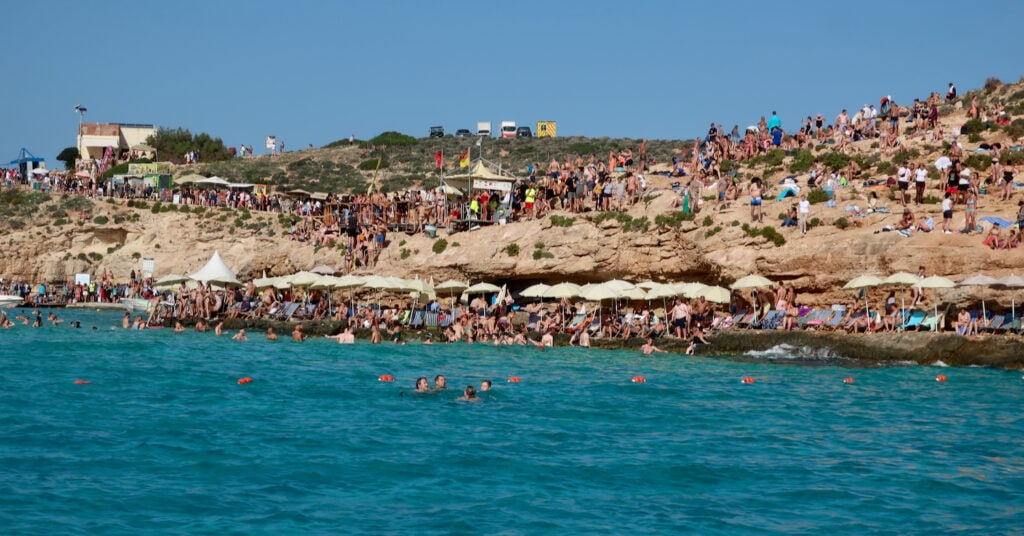
Options included entering the sea caves along the coastline (something larger boats can’t do), and dropping anchor for a long, leisurely swim in the decidedly less crowded Crystal Lagoon.
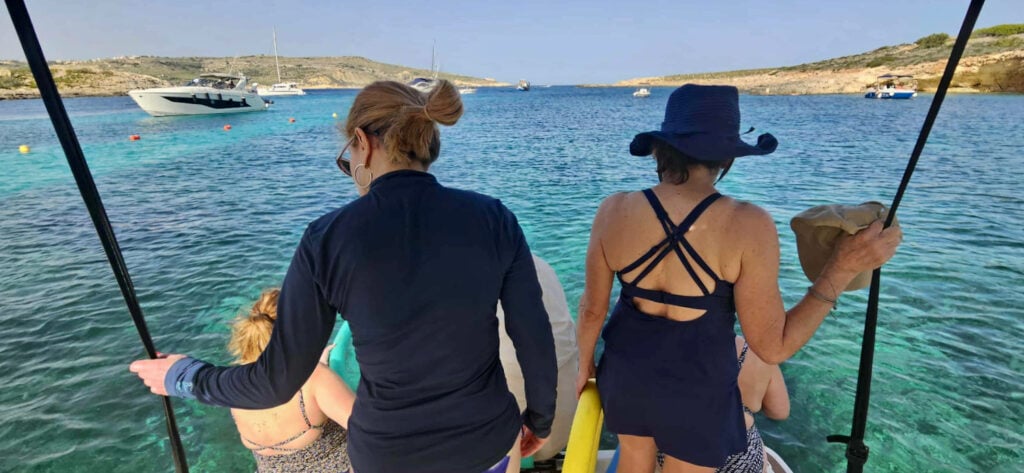
Four of us on a Girlfriend Getaway chose Sea Life Cruises, for the simple reason that the company responded almost immediately to my emails. They added a “Maltese Platter” – a kind of local charcuterie board – for just 20 Euro, which we enjoyed between dips in the bracing, unbelievably clear-teal water. The Capt’n even dropped us off at a marina closer to our hotel. FYI – these are not “luxury yachts.” No bathroom, small cabin is for storage. But the boat served its purpose, and we had a blast.
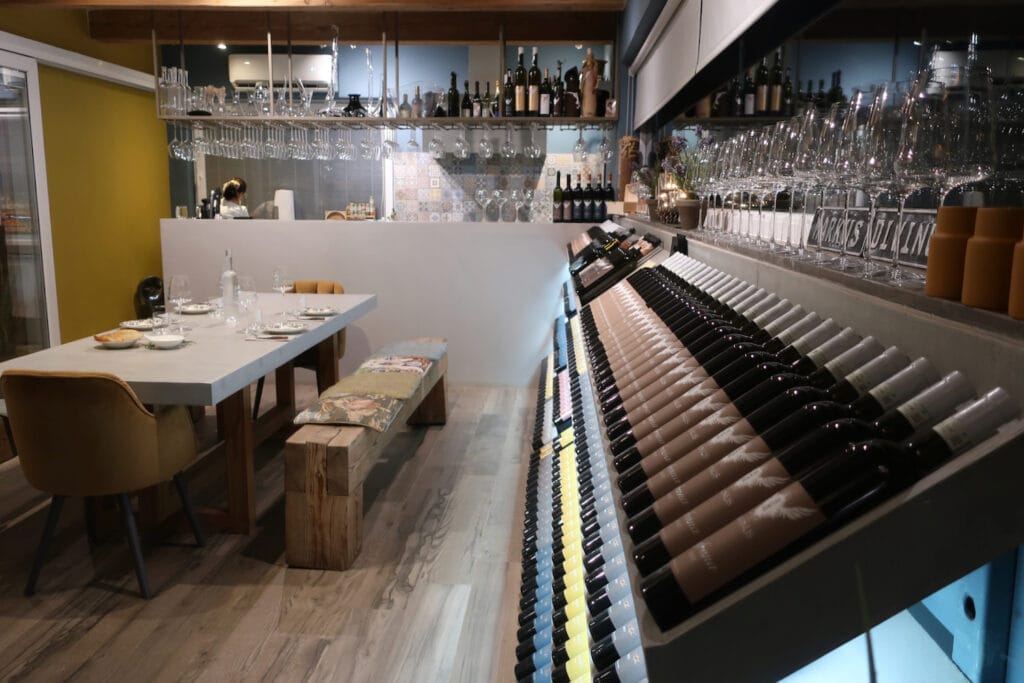
WINERY/DINE: Markus Divinus
Be aware, you’ll have to do some walking to get to this boutique winery, seemingly in the middle of a farm, far, far, offroad. But I guess that’s part of the joy of discovering Markus Divinus – a labor-of-love winery that has attracted the attention of Malta’s finest establishments.

Owner Mark Borg Borg focuses on crafting unique wines by working with local farmers, using both indigenous and international grapes, and emphasizing complexity and elegance. Indulge in a multi-course wine-food pairing, after a tour of the small winery. The tasting room was curated with a masterful eye, and the perfect place to savor the fruits of both vine and field.
Tour: Ħal Saflieni Hypogeum
Built around 4000–2500 BCE (Neolithic period), the Ħal Saflieni Hypogeum, was carved entirely from limestone using stone tools – remarkable engineering for its time. Incredibly, it’s older than the Egyptian pyramids and Stonehenge.
After a short multi-media introduction, visitors will walk down several flights of stairs into a multi-level, hand-carved subterranean complex with chambers, corridors, and circular rooms. As the remains of several thousand individuals were found there, it’s assumed to have been used as both a sanctuary and necropolis (burial site).
It is the only known prehistoric underground temple in the world, displaying advanced architectural skill and ritual complexity in Malta’s Neolithic culture. Archologists and historians are still trying to determine the meanings of the red ochre wall paintings and terra cotta figurines (one a Botero-esque reclining female) and reasons for the acoustic properties in the “Oracle Room,” where a spoken voice reverberates in unique ways.