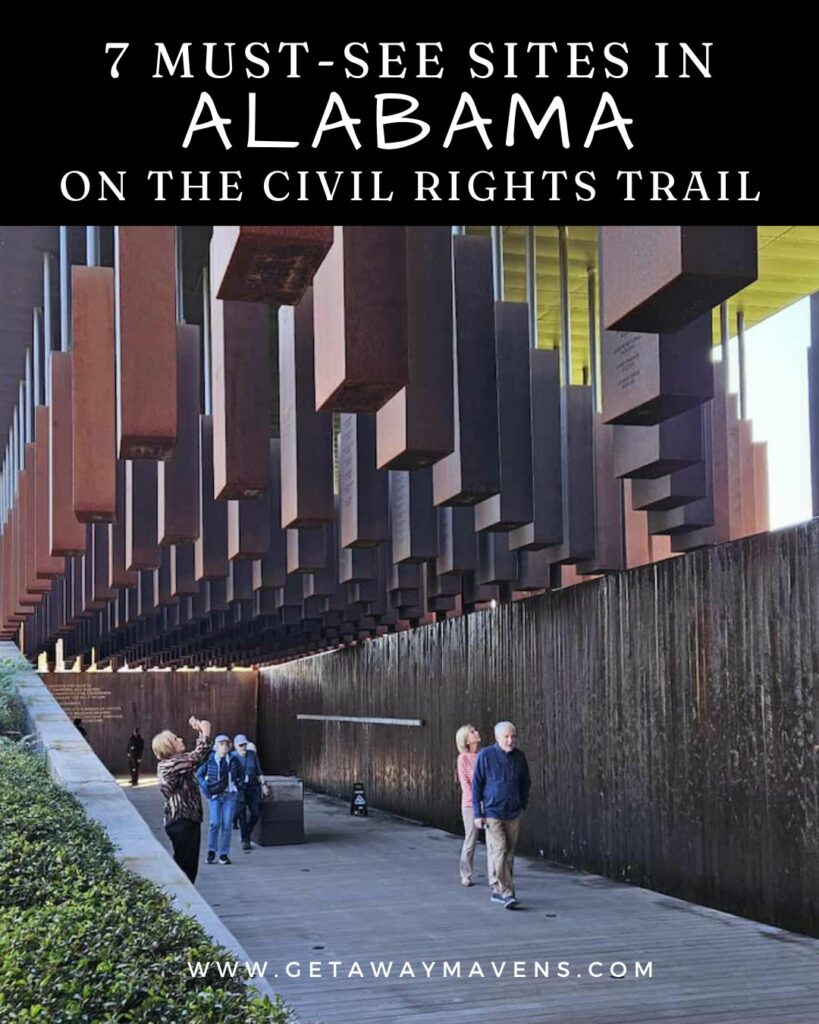
WHY GO: This Alabama Civil Rights Trail “Getaway” is unlike any other on our site. It’s not glamorous, romantic, funny, or fun. But, it is necessary. And eye opening. Ninety nine percent of our posts celebrate America’s past and present in glowing terms. Yes, there is much to admire about this country.
However, as the saying goes, “Those who fail to learn from history are doomed to repeat it.” So, we cannot turn a blind eye to the less glittery version of our Nation’s past.
It took decades for witnesses of our country’s dark history to recount stories of those times. For many, the wounds are still too painful.
The brutality of slavery, the horrors of lynching, the unfairness of segregation, the incarceration of generations of young Black men and women – all the ugliness of our past (and present) that some would like stricken from our history books – are now coming to light in museums and memorials that present a stark and unflinching account of these atrocities.
I took a tour of several of these much-heralded museums and monuments – and heard first person accounts from those who were subjected to these injustices in the Alabama cities of Birmingham, Selma, and Montgomery.
For those readers interested in the history of slavery, the rise of the Civil Rights movement, and the reckonings of our Country’s past, the following monuments, museums and sites (and possibly, people who were actually in the rooms and on the bridges where it happened) are deserving of your time. All prove that “sunlight is the best disinfectant.” Go and be moved.
Civil Rights Trail 3-Day Itinerary: Birmingham to Selma to Montgomery Alabama
16th Street Baptist Church, Birmingham
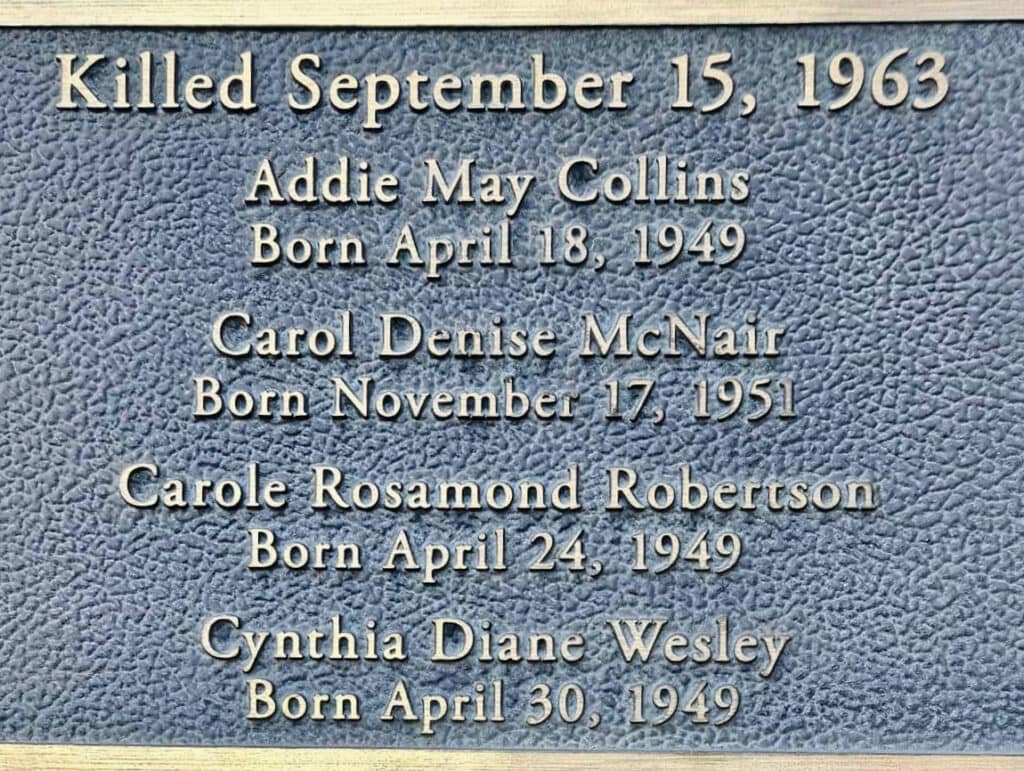
Across the street from Kelly Ingram Park – where peaceful civil rights demonstrations were often held – the 16th Street Baptist Church served as a house of worship and a key civil rights meeting place. It made gut-wrenching history as the site of the 1963 bombing that killed four young girls – Addie Mae Collins (14), Cynthia Wesley (14), Carole Robertson (14), and Carol Denise McNair (11) – catalyzing national outrage and support for the movement.
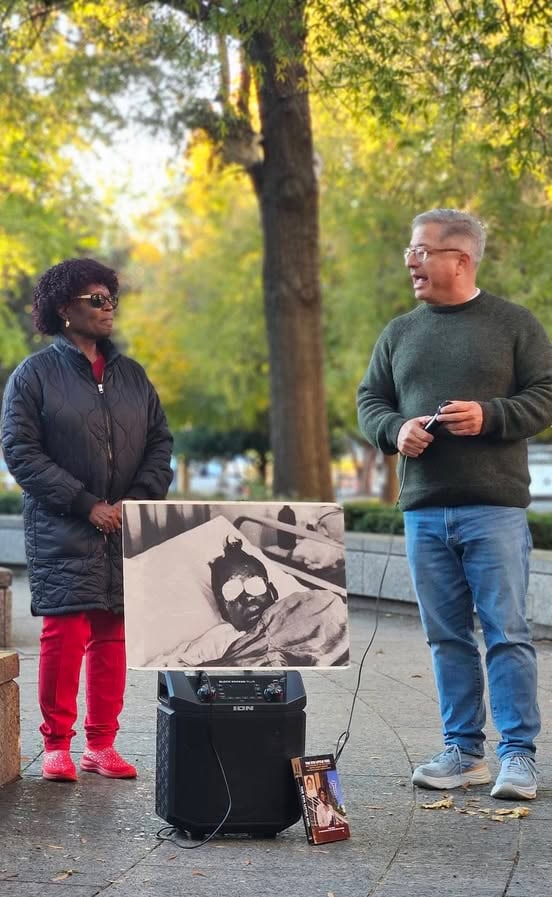
If you can arrange it (or go on a tour like the one sited at the end of this post), you can meet the “Fifth Girl” in the building, who lost an eye, but survived the bombing. (Her sister, Addie Mae Collins, did not). It took Sarah Collins Rudolph, a “carrier of history,” until recently to come to terms with what happened. She wrote a book, and now speaks out about what occurred that day – preserving the legacy.
Kelly Ingram Park, Birmingham
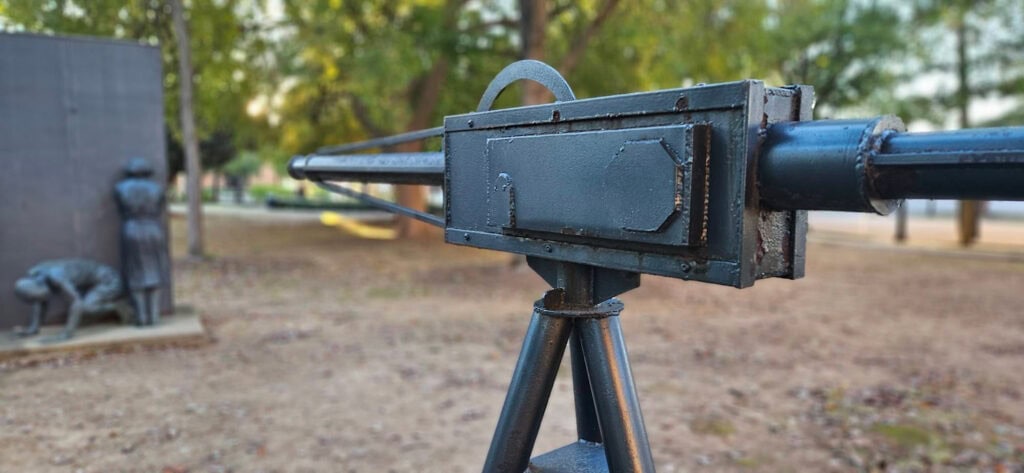
Kelly Ingram Park, across the street from the 16th St. Baptist Church, was the staging ground for many Spring 1963 demonstrations, including the Children’s Crusade. Sculptures throughout the park depict confrontations with police dogs, fire hoses (at a pressure meant to put out fires not put down humans), and other defining moments of the fight for desegregation.
It’s no coincidence that these so called “fire hoses” resembled assault rifles – as you can tell from the photo with a couple cowering in the background. The hateful and violent emotions against the peaceful demonstrators reached such fever pitch, it lead to the 16th Street Baptist Church bombing and the murder of four young Black girls three months later, in September 1963.
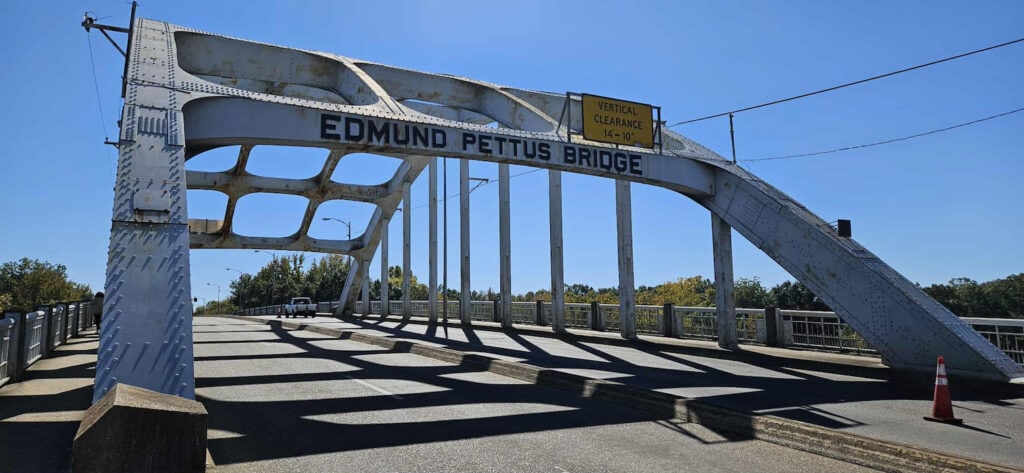
Edmund Pettus Bridge, Selma
The Edmund Pettus Bridge is national symbol of the voting rights struggle. Why? On “Bloody Sunday” (March 7, 1965), peaceful marchers, attempting to walk to Montgomery after crossing this rather mundane vehicular bridge, were brutally attacked there by law enforcement. The televised violence shocked the nation and helped lead to the Voting Rights Act of 1965. A successful March took place between March 21 – March 25 1965, leading to more publicity.
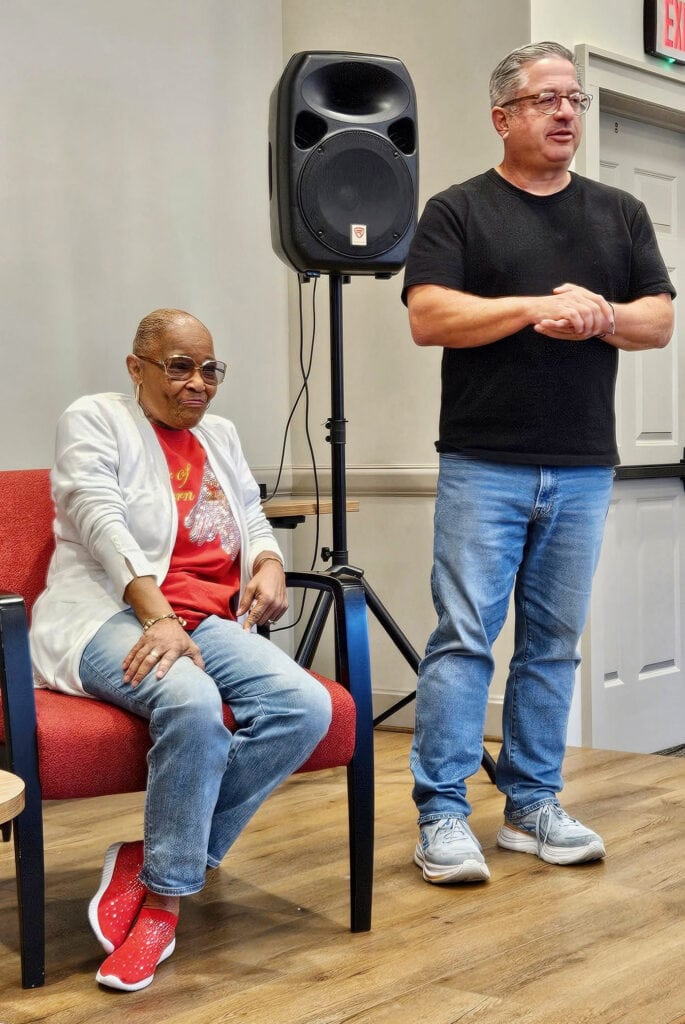
If you go with a group tour (see below for information), you may meet Lynda Blackmon Lowery, who, at 15 years old, was one of the youngest marchers on Bloody Sunday. She was beaten nearly to death by the police (which was caught on film) and has a lot to say about that day.
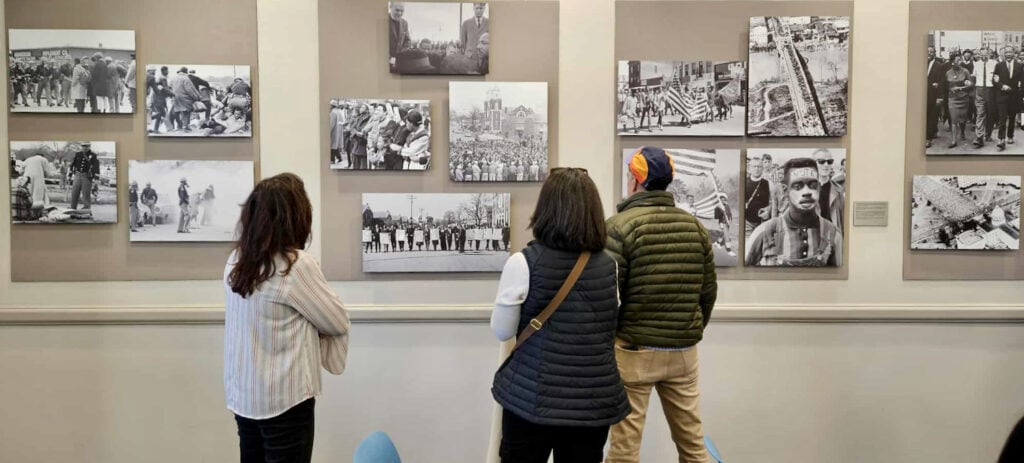
The Legacy Museum, National Memorial for Peace and Justice, and Freedom Monument Sculpture Park, Montgomery
The Legacy Museum, National Memorial for Peace and Justice, and Freedom Monument Sculpture Park – collectively, the Legacy Sites – are the trifecta of emotionally mind-blowing and heart-shattering memorials in Montgomery Alabama. Each deserves a few hours or more.
The Legacy Museum
The terror lynchings of Black people were violent, public acts of torture tolerated, incomprehensibly, by law enforcement, elected officials, and the public at large. The Legacy Museum reverberates with all this misery, fear, and sorrow. It was impossible for me to talk there, a stunned-into-silence apparently shared by many.
Sitting on the site of a cotton warehouse where enslaved Black people were forced to labor in bondage, the Legacy Museum tells the story of slavery in America and its legacy through interactive media, first-person narratives, world-class art, and data-rich exhibits.
Travel through a comprehensive history of the destructive violence that shaped our nation, from the slave trade to the era of Jim Crow and racial terror lynchings, to our current mass incarceration crisis—and find inspiration in our soaring Reflection Space and world-class art gallery. – The Legacy Museum website.
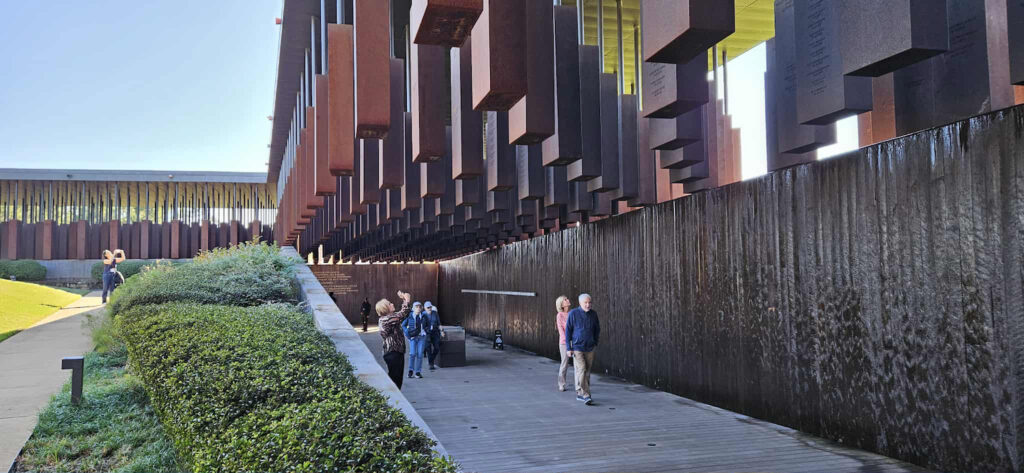
National Memorial for Peace and Justice
Again, silence. The sheer number of names punctured into steel coffin-like structures hanging in seemingly endless rows, brought me to tears. Many of these lynchings happened within my lifetime. How could these stone-cold cruelties and Nazi-gleeful slaughters have take place in this country?
The National Memorial for Peace and Justice is the nation’s first comprehensive memorial dedicated to the legacy of Black Americans who were enslaved, terrorized by lynching, humiliated by racial segregation, and presumed guilty and dangerous.
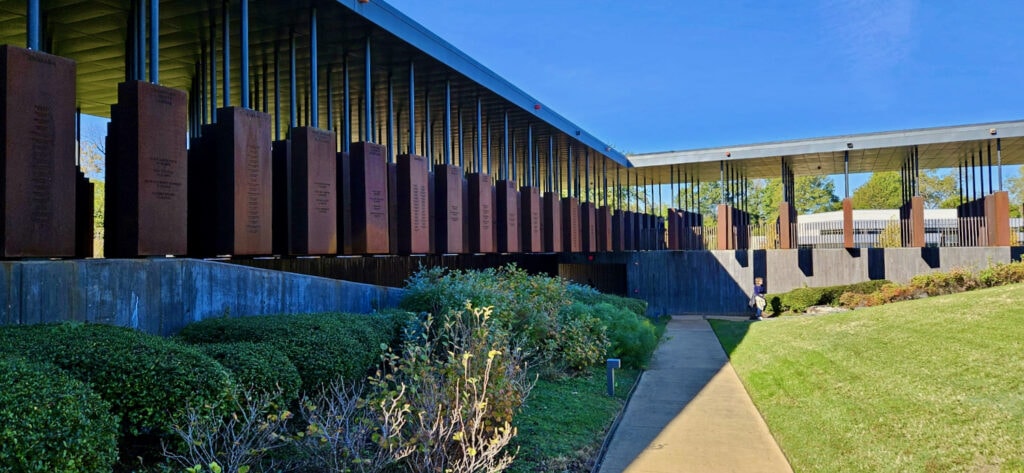
More than 4,400 Black people killed in racial terror lynchings between 1877 and 1950 are remembered here. Their names are engraved on more than 800 steel monuments—one for each county where a racial terror lynching took place—that form the main structure of the memorial at the heart of this six-acre site. – From the National Memorial for Peace and Justice website.
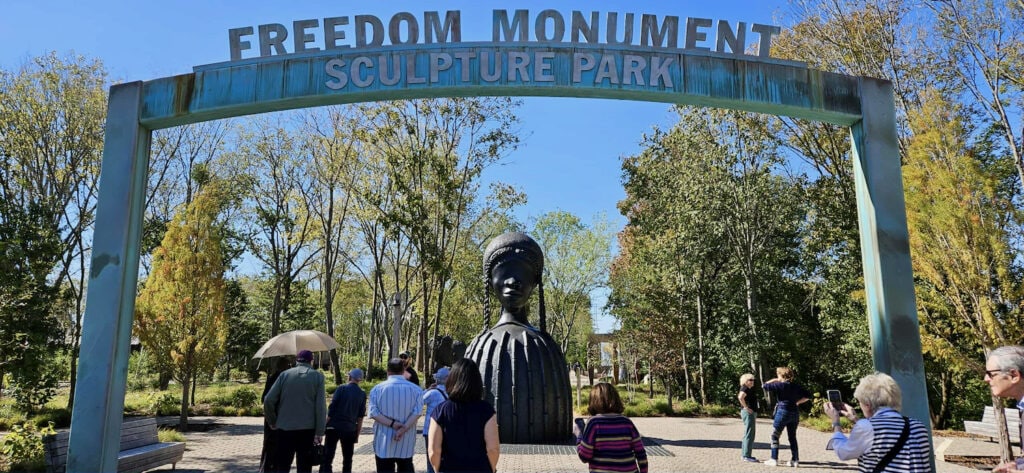
Freedom Monument Sculpture Park
An outdoor sculpture park like no other, these inspired works are a triumph of creative genius. Some witty, some out of the ordinary, each sculpture is its own commentary on the history of enslaved people in America – and definitely worth seeing.
At this 17-acre site along the very river where tens of thousands of enslaved people were trafficked, breathtaking art and original artifacts invite an immersive, interactive journey and provide a unique view into the lives of enslaved people.
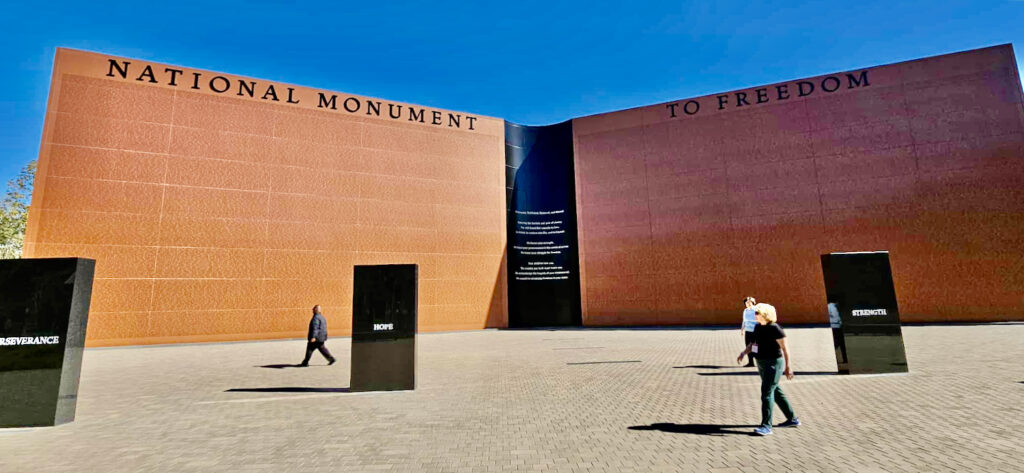
Listen to Muscogee family stories as they were told centuries ago on this very spot. Step inside a train car like those used to traffic enslaved people to Montgomery as you hear trains pass on nearby tracks originally laid by enslaved people. Stand before an authentic dwelling inhabited by enslaved people and marvel at sculptures created from bricks made by enslaved artisans.- From The Freedom Monument Sculpture Park website.
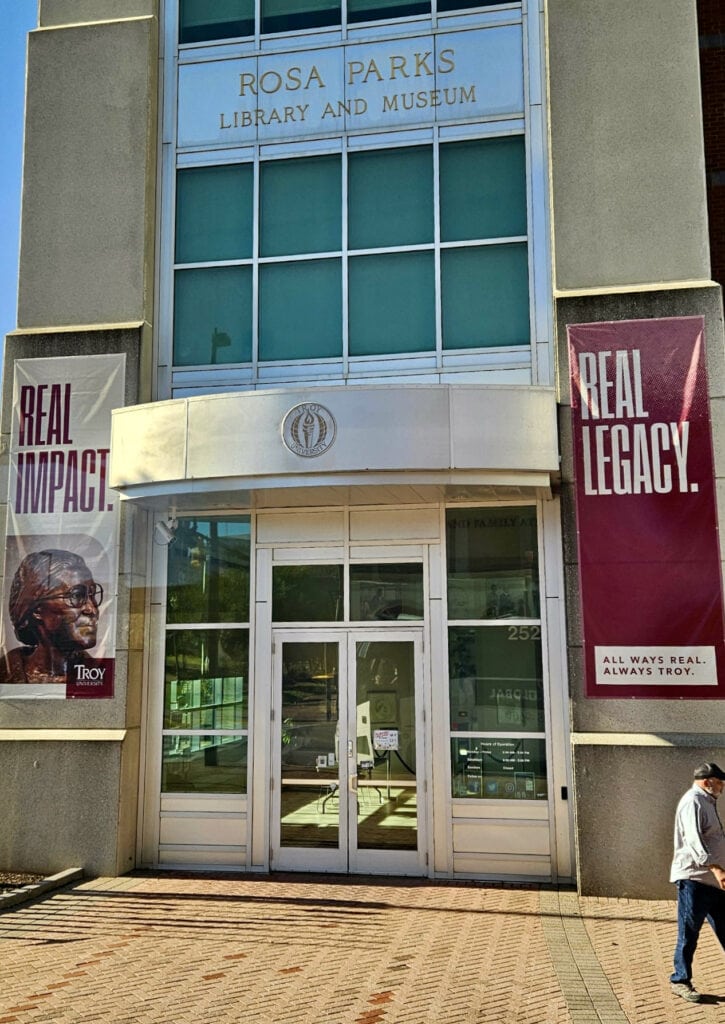
Rosa Parks Museum
Built on the site of Rosa Parks’ arrest on December 1, 1955, the Rosa Parks Museum traces the origins, strategy, and impact of the Montgomery Bus Boycott with immersive exhibits and archival materials. The museum highlights how one act of resistance helped ignite the modern Civil Rights Movement.
Etgar 36 Tour: A Deeper Dive Into Civil Rights Stuggles In America
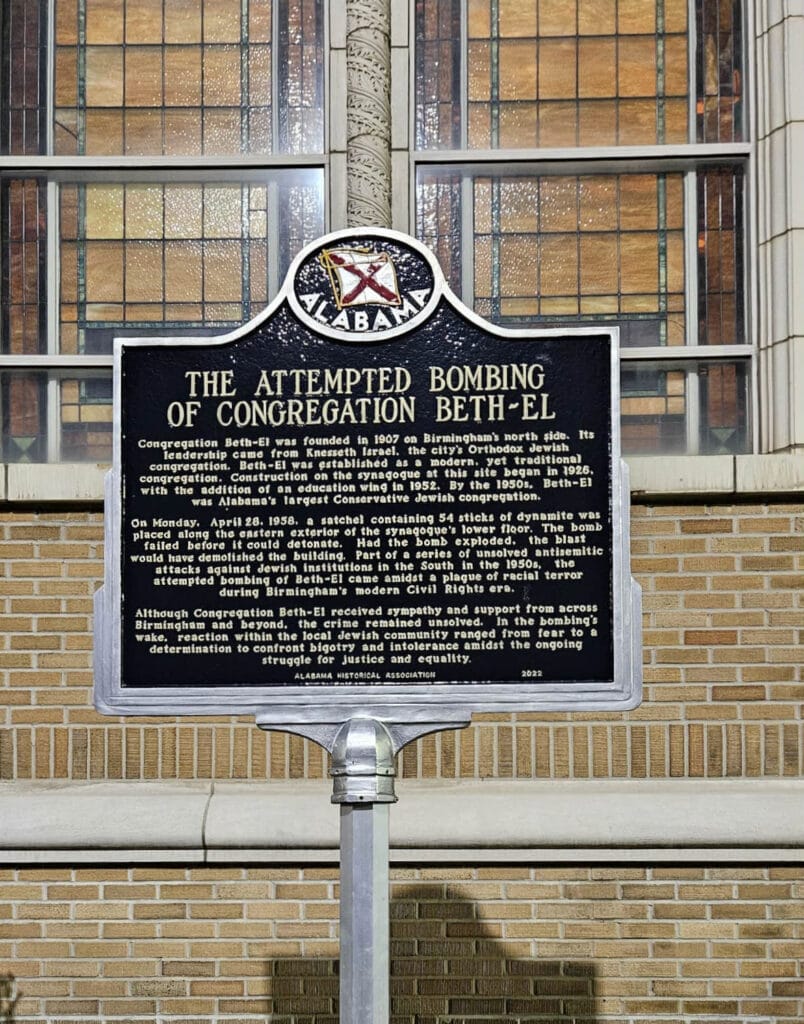
For those interested in discovering the Jewish/Black experience – Etgar 36 is the tour for you. You’ll dialog with people who experienced African American tragedies and accomplishments firsthand, learn about Whites and Blacks, Jews and Gentiles, who died in pursuit of justice for others, and have access to far more on this trip through Atlanta and Alabama than you would if you went on your own. The catch – you have to be a group of at least 20 people aged 15 and up.
Etgar 36 Tours can be for any type of group – from adults or teen groups from religious institutions, inter-religious and/or inter-racial groups, boards of organizations, to groups of friends. The Civil Rights journey uses the history, sites, and current issues as a springboard to highlight the relationship, and at times, the tension, of the Jewish and American identity. The journeys are a mix of fun, sightseeing, education, and meetings with organizations and people who have been and are still involved in creating America.